Understanding Trauma in a New Way
Understanding Trauma in a New Way
Understanding Trauma in a New Way
Training is often associated with presentations, discussion groups or online modules. While those are valuable, we also recognise the importance of experiential learning — learning that stays with you. The VR headset allowed carers to step briefly into a simulated environment reflecting what a child living with trauma may see, hear and feel. The experience highlighted how overwhelming early environments can impact a child’s developing brain and emotional responses. For many of our carers, it was a powerful reminder that behaviour does not exist in isolation. Behind every reaction is a story. Behind every moment of distress is often a deeper history.
Training is often associated with presentations, discussion groups or online modules. While those are valuable, we also recognise the importance of experiential learning — learning that stays with you. The VR headset allowed carers to step briefly into a simulated environment reflecting what a child living with trauma may see, hear and feel. The experience highlighted how overwhelming early environments can impact a child’s developing brain and emotional responses. For many of our carers, it was a powerful reminder that behaviour does not exist in isolation. Behind every reaction is a story. Behind every moment of distress is often a deeper history.

Reflection in practice
Reflection in practice
Taking a Step Back
Taking a Step Back
Taking a Step Back
Fostering is deeply rewarding, but it can also be busy and demanding. School mornings, routines and daily responsibilities can sometimes make it difficult to pause and reflect in the moment. One of the most important aspects of trauma-informed care is the ability to step back and ask, “What might this child be experiencing right now?” A child who becomes distressed while getting ready for school may not simply be refusing or resisting. They may be responding to internal triggers or memories that are difficult to articulate. Understanding this shifts the response from frustration to empathy. Experiences like this learning day encourage that pause. They help carers reconnect with the reasons behind behaviours and reinforce why patience, consistency and emotional safety are so important.
Fostering is deeply rewarding, but it can also be busy and demanding. School mornings, routines and daily responsibilities can sometimes make it difficult to pause and reflect in the moment. One of the most important aspects of trauma-informed care is the ability to step back and ask, “What might this child be experiencing right now?” A child who becomes distressed while getting ready for school may not simply be refusing or resisting. They may be responding to internal triggers or memories that are difficult to articulate. Understanding this shifts the response from frustration to empathy. Experiences like this learning day encourage that pause. They help carers reconnect with the reasons behind behaviours and reinforce why patience, consistency and emotional safety are so important.
Carer reflections
Carer reflections
What Our Carers Took From the Day
What Our Carers Took From the Day
What Our Carers Took From the Day
What stood out most during our discussions afterwards was the depth of reflection from the group. Many carers shared that the experience helped them reconnect with the realities of early trauma in a way that felt immediate and personal. Even those who have been fostering for many years described it as a reminder — a moment to step outside the day-to-day routines and revisit the foundations of trauma-informed care. There was a shared understanding that while experience brings confidence, learning never stops. The session prompted thoughtful conversations about how children’s behaviours can be linked to sensory memories and heightened stress responses, and how easily those responses can be misunderstood if we do not pause and consider the bigger picture. Importantly, the consensus was not that the session provided something entirely new — but that it deepened existing understanding. It strengthened empathy. It reinforced why we approach behaviour with curiosity rather than judgement. Carers also reflected on the value of experiencing something together. Being able to talk through their reactions, share practical strategies and support one another’s learning created a sense of collective growth. There was a real sense that everyone left with renewed awareness and confidence.
What stood out most during our discussions afterwards was the depth of reflection from the group. Many carers shared that the experience helped them reconnect with the realities of early trauma in a way that felt immediate and personal. Even those who have been fostering for many years described it as a reminder — a moment to step outside the day-to-day routines and revisit the foundations of trauma-informed care. There was a shared understanding that while experience brings confidence, learning never stops. The session prompted thoughtful conversations about how children’s behaviours can be linked to sensory memories and heightened stress responses, and how easily those responses can be misunderstood if we do not pause and consider the bigger picture. Importantly, the consensus was not that the session provided something entirely new — but that it deepened existing understanding. It strengthened empathy. It reinforced why we approach behaviour with curiosity rather than judgement. Carers also reflected on the value of experiencing something together. Being able to talk through their reactions, share practical strategies and support one another’s learning created a sense of collective growth. There was a real sense that everyone left with renewed awareness and confidence.
Learning Together
Learning Together

Shared development
Shared development
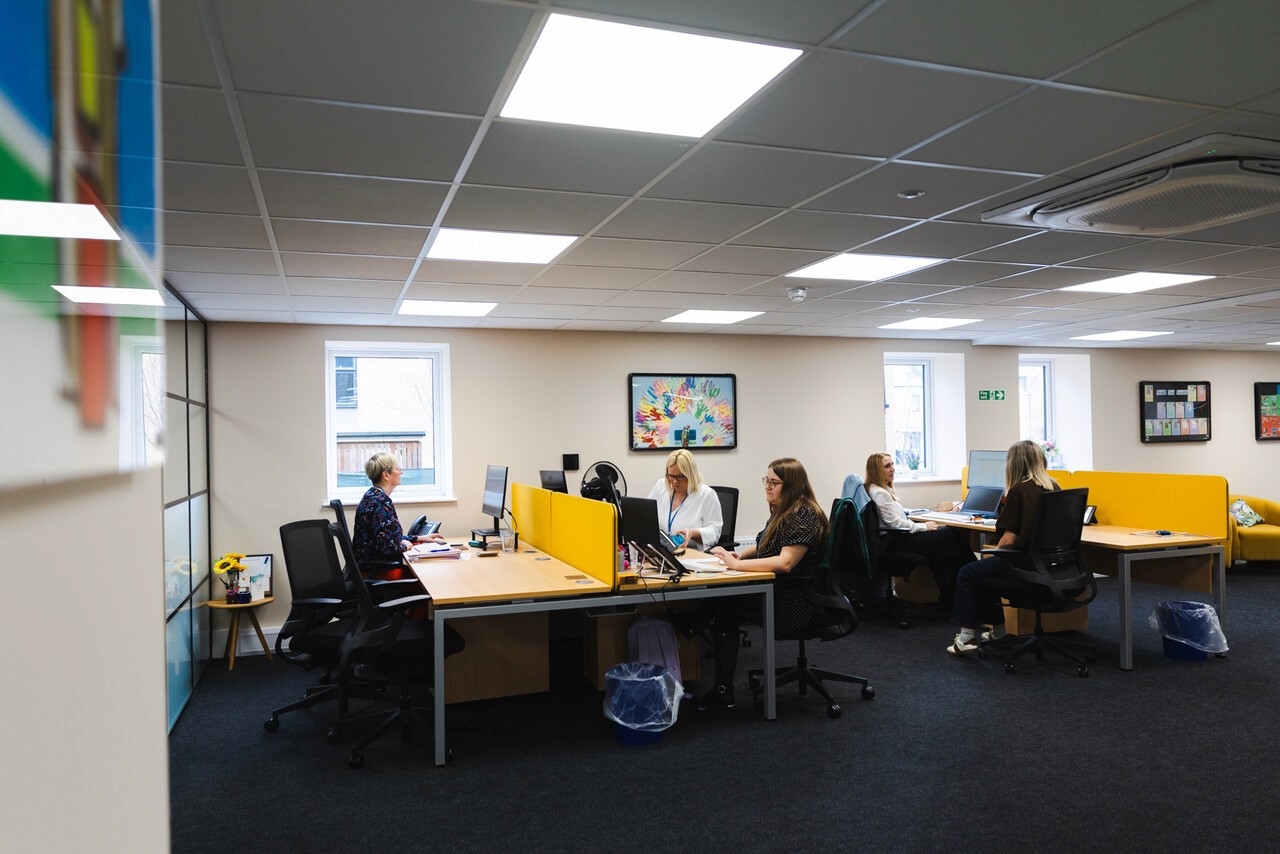
Although we describe these sessions as training, I often say they are truly about learning. Our carers bring a wealth of experience with them, and some of the most valuable insights come from sharing situations, strategies and reflections with one another. There is a strong sense of community within Homefinding & Fostering. Carers support one another, offer practical advice and speak openly about challenges. That shared learning strengthens everyone. A trauma-informed approach is not something we achieve through one session alone. It is built over time through reflection, discussion and ongoing development. Days like this are one part of that continued journey.
Although we describe these sessions as training, I often say they are truly about learning. Our carers bring a wealth of experience with them, and some of the most valuable insights come from sharing situations, strategies and reflections with one another. There is a strong sense of community within Homefinding & Fostering. Carers support one another, offer practical advice and speak openly about challenges. That shared learning strengthens everyone. A trauma-informed approach is not something we achieve through one session alone. It is built over time through reflection, discussion and ongoing development. Days like this are one part of that continued journey.

Our approach
Our approach
Our Commitment to Trauma-Informed Practice
Our Commitment to Trauma-Informed Practice
Children who come into foster care may have had a very difficult start in life. As an agency, it is our responsibility to ensure carers feel equipped with the skills and understanding needed to support them. We believe strongly that fostering can transform a child’s future. But in order to create that change, carers need the right tools, training and support around them. Providing innovative and thoughtful learning opportunities — such as this VR experience — reflects our commitment to giving carers the confidence to respond with compassion and insight. It is about ensuring that children who have experienced trauma are met with understanding rather than judgement, and with stability rather than uncertainty.
Children who come into foster care may have had a very difficult start in life. As an agency, it is our responsibility to ensure carers feel equipped with the skills and understanding needed to support them. We believe strongly that fostering can transform a child’s future. But in order to create that change, carers need the right tools, training and support around them. Providing innovative and thoughtful learning opportunities — such as this VR experience — reflects our commitment to giving carers the confidence to respond with compassion and insight. It is about ensuring that children who have experienced trauma are met with understanding rather than judgement, and with stability rather than uncertainty.

Looking ahead
Looking ahead
Looking Ahead
Looking Ahead
What continues to impress me is the willingness of our carers to keep learning. Even those with many years of experience approach sessions like this with openness and reflection. That willingness to grow is what makes such a difference in children’s lives. At Homefinding & Fostering, we will continue to invest in meaningful learning experiences that strengthen our trauma-informed approach and reinforce the supportive community we are so proud of. Because when carers feel supported and equipped, children are given the opportunity to feel safe, understood and hopeful about their future. And that is at the heart of everything we do.
What continues to impress me is the willingness of our carers to keep learning. Even those with many years of experience approach sessions like this with openness and reflection. That willingness to grow is what makes such a difference in children’s lives. At Homefinding & Fostering, we will continue to invest in meaningful learning experiences that strengthen our trauma-informed approach and reinforce the supportive community we are so proud of. Because when carers feel supported and equipped, children are given the opportunity to feel safe, understood and hopeful about their future. And that is at the heart of everything we do.







Partners & Accreditation





Get stories, fostering advice, and news straight to your inbox
Sign up to hear from us once a month. No spam, just real support.
By signing up you agree to our terms and conditions and privacy policy



Fostering
Support
Our Address
The Homefinding & Fostering Agency
Vinters Park
Maidstone
ME14 5NZ
© 2026 Homefinding & Fostering Agency.
Get stories, fostering advice, and news straight to your inbox
Sign up to hear from us once a month. No spam, just real support.
By signing up you agree to our terms and conditions and privacy policy
Fostering
Support
Our Address
The Homefinding & Fostering Agency
Vinters Park
Maidstone
ME14 5NZ
© 2026 Homefinding & Fostering Agency.
Fostering
Support
Our Address
The Homefinding & Fostering Agency
Vinters Park
Maidstone
ME14 5NZ
© 2026 Homefinding & Fostering Agency.
Fostering
Our Address
The Homefinding & Fostering Agency
Vinters Park
Maidstone
ME14 5NZ
© 2026 Homefinding & Fostering Agency.
Fostering
Our Address
The Homefinding & Fostering Agency
Vinters Park
Maidstone
ME14 5NZ
© 2026 Homefinding & Fostering Agency.
Fostering
Support
Our Address
The Homefinding & Fostering Agency
Vinters Park
Maidstone
ME14 5NZ
© 2026 Homefinding & Fostering Agency.